Every pool deck ages differently, but Louisiana homes face a demanding combination of heavy rainfall, high humidity, intense summer sun, shifting soil conditions, and occasional freezing temperatures. These conditions can leave homeowners wondering whether surface repairs are enough or the existing concrete needs to be removed.
When comparing pool deck resurfacing vs replacement, the most important question is whether the damage is limited to the surface or affects the concrete slab and its supporting base.
This guide explains the warning signs to look for, the Louisiana conditions that can contribute to deterioration, and when to schedule a professional inspection.
Pool Deck Resurfacing vs. Replacement: What Is the Difference?
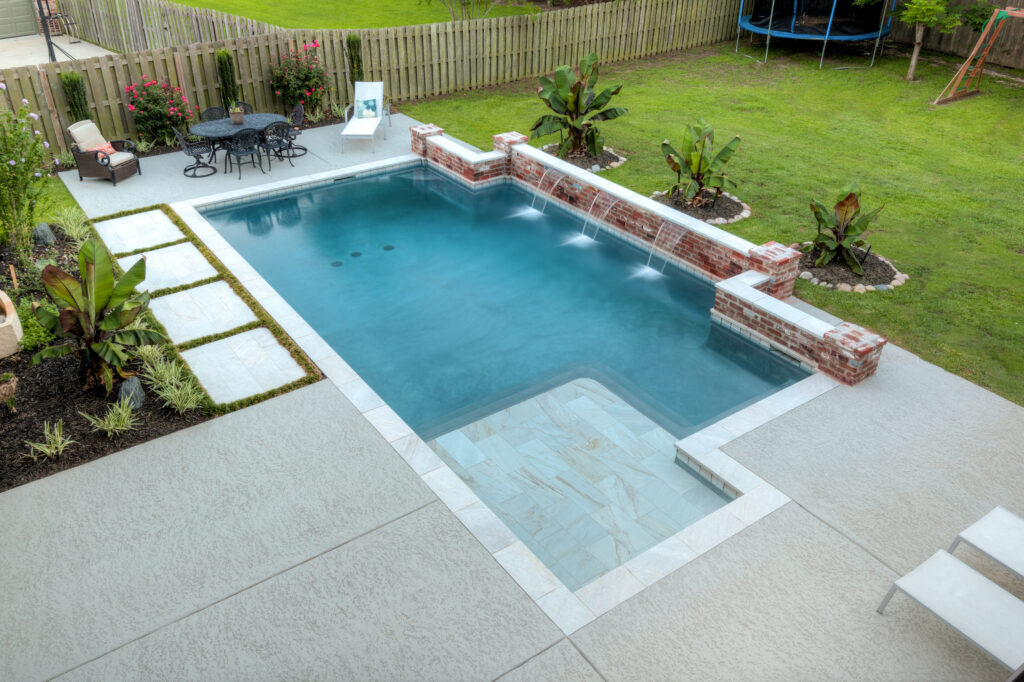
Pool deck resurfacing restores the top of an existing concrete slab. After cleaning, preparing, and repairing suitable areas, a decorative coating or overlay is applied to improve the deck’s appearance, traction, comfort, and durability.
Pool deck replacement is more extensive. It generally involves removing some or all of the existing concrete, correcting underlying problems when necessary, and pouring a new slab.
Resurfacing may be appropriate when the slab is stable but the surface is worn or outdated. Replacement may be recommended when movement, drainage failure, severe deterioration, or widespread structural damage makes the existing slab an unreliable base.
Because cracks and uneven areas can have several causes, visual symptoms alone do not always determine the answer. A professional evaluation is the safest way to confirm which option is suitable.
Seven Signs Your Pool Deck May Be a Resurfacing Candidate
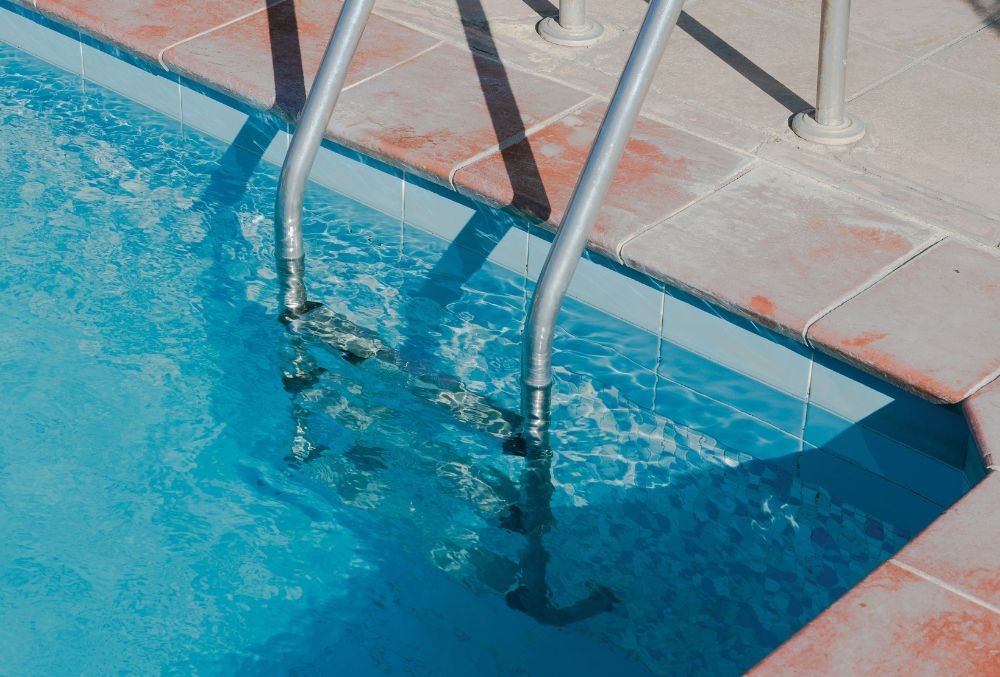
Your deck may qualify for professional pool deck resurfacing if it remains stable and relatively even but has surface-level deterioration.
1. Hairline or shallow cracks that have remained stable
2. Faded, dull, or discolored concrete
3. Rough, pitted, or lightly scaled areas
4. A surface that becomes uncomfortable underfoot during summer
5. A previous coating that is peeling or flaking
6. Minor rust, algae, chemical, or organic stains
7. Cosmetic wear without significant settling or vertical displacement
Proper preparation is essential. Existing coatings may need to be removed, cracks must be evaluated and treated appropriately, and the concrete must be prepared so the new system can bond correctly.
Resurfacing cannot guarantee that every crack will disappear permanently. However, when the slab is sound and the preparation and coating system are appropriate, resurfacing can restore the deck without a full tear-out.
Seven Signs Pool Deck Replacement May Be Necessary
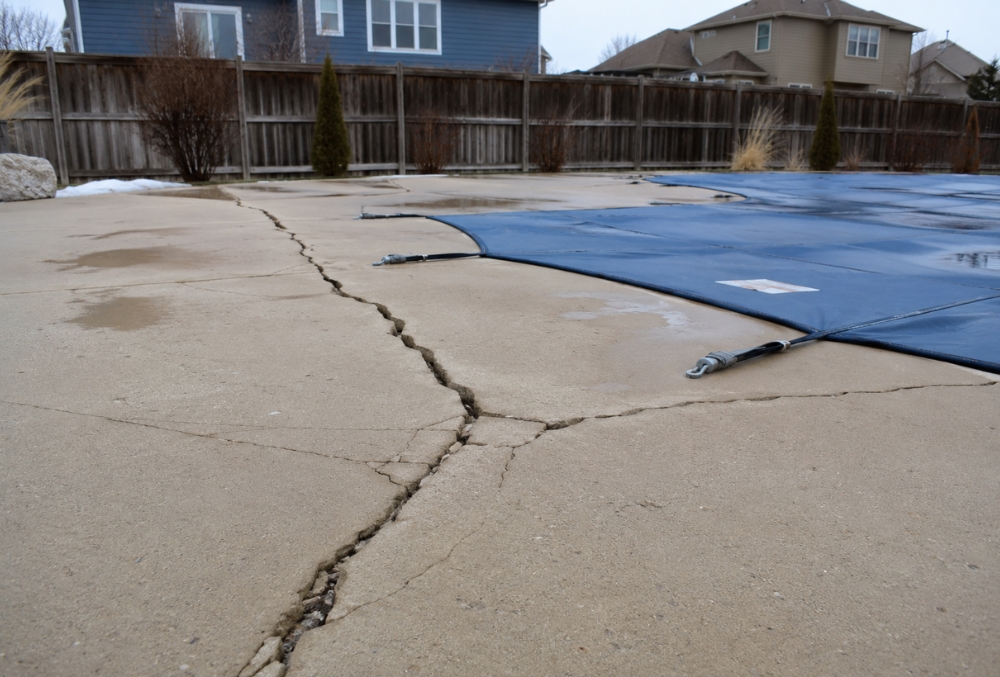
Homeowners researching when to replace a pool deck should pay particular attention to signs of movement or deterioration below the surface.
1. Wide cracks or cracks with vertical displacement
2. Cracks that repeatedly reopen after repair
3. Sections that have noticeably settled or lifted
4. Large gaps between the deck and pool coping
5. Widespread drainage problems or persistent standing water
6. Extensive deterioration across multiple areas of the slab
7. Evidence of unstable soil, voids, or loss of support beneath the concrete
These signs do not automatically mean the entire pool deck must be replaced. Some decks can be repaired in sections, stabilized, or corrected before receiving a new surface. The extent and cause of the damage determine whether partial repair, resurfacing, or complete replacement is the more dependable solution.
How Louisiana Conditions Affect Pool Deck Concrete
Pool deck resurfacing in Louisiana requires more than covering faded concrete. Contractors must consider moisture, drainage, UV exposure, and possible ground movement before recommending a coating system.
Soil movement
Soil conditions vary by property, but moisture-sensitive soils can expand, contract, or lose supporting strength as water levels change. This movement may contribute to cracking, settling, or uneven sections of concrete.
Heavy rainfall and drainage
Frequent rain can expose existing drainage problems. Water that repeatedly collects in low areas may stain the deck, encourage biological growth, and contribute to deterioration. Resurfacing alone will not correct an improper slope or a damaged drainage system.
Heat and UV exposure
Louisiana’s intense sun can fade coatings that are not intended for exterior use. It can also make untreated concrete uncomfortable underfoot. Selecting a UV-resistant, textured system designed for outdoor pool areas is important for long-term performance.
Humidity and moisture vapor
Moisture moving through a concrete slab can affect coating adhesion. Proper preparation and a compatible coating system help reduce the risk of blistering, peeling, or delamination.
Occasional freezes
Although prolonged freezing weather is uncommon in South Louisiana, water entering existing cracks can contribute to additional deterioration during freeze-and-thaw events. Early evaluation can help prevent small defects from becoming more serious.
Homeowners can explore local service information for pool deck coating in Baton Rouge or pool deck coating on the Northshore, including Covington.
What Happens If You Resurface a Deck That Needs Structural Work?
A coating is only as dependable as the concrete beneath it.
If a contractor resurfaces a slab with active movement, severe cracking, inadequate support, or unresolved drainage problems, the underlying damage can eventually become visible again. Cracks may reflect through the new surface, sections may separate, and moisture can interfere with adhesion.
This does not mean every cracked pool deck needs replacement. It means the source and severity of the cracking should be diagnosed before a coating is installed.
Where damage is localized, a contractor may recommend repairing or replacing only the affected section and then resurfacing the larger deck for a consistent finish. More extensive failure may make full pool deck replacement in Louisiana the more practical long-term option.
How to Get a Clear Answer for Your Pool Deck
A professional on-site evaluation should examine:
· Whether cracks are stable, active, or vertically displaced
· The amount of settling, heaving, or unevenness
· Drainage direction and areas where water collects
· The condition and adhesion of existing coatings
· The age and repair history of the deck
· The stability of the remaining concrete
· Whether damage is isolated or widespread
Once those conditions are understood, the contractor can recommend resurfacing, localized repair, partial replacement, or complete replacement.
If your deck is structurally suitable for resurfacing, the next decision is selecting an appropriate coating system and establishing a budget. Read the Louisiana pool deck coating cost guide for pricing factors, coating options, and estimated project ranges.
Frequently Asked Questions
How do I know if my pool deck needs replacement instead of resurfacing?
Look for wide or vertically displaced cracks, visibly settled or lifted sections, separation near the coping, widespread deterioration, or serious drainage problems. These conditions require professional evaluation because structural repair or replacement may be necessary before a coating can be installed.
Why do Louisiana pool decks develop cracks?
Several factors can contribute, including soil movement, moisture changes, heavy rainfall, drainage problems, temperature changes, and normal concrete shrinkage. The crack’s width, movement, depth, and surrounding conditions help determine whether it is cosmetic or structural.
Can resurfacing hide a structural problem?
It may conceal the visible symptoms temporarily, but it does not stop active slab movement or correct unstable support. If the underlying problem continues, cracks or coating failure may eventually reappear.
Can only part of a pool deck be repaired?
Sometimes. Localized removal and replacement, stabilization, drainage correction, or crack repair may preserve the remaining sound concrete. The deck may then be resurfaced to create a more consistent appearance, depending on its overall condition.
How often do Louisiana pool decks need replacement?
There is no fixed replacement schedule. A properly installed deck with stable support and effective drainage can remain serviceable for decades. Replacement is generally based on the slab’s condition rather than age alone.
Request a Professional Pool Deck Evaluation
The choice between pool deck resurfacing and replacement should be based on the condition of the slab – not guesswork or appearance alone.
Concrete Coatings Inc. has served Gulf Coast homeowners and businesses for more than 37 years. The team can evaluate your deck’s cracks, drainage, existing coating, and overall stability before recommending an appropriate solution.
Call 985-542-2757 or request a free estimate to have your Louisiana pool deck evaluated.