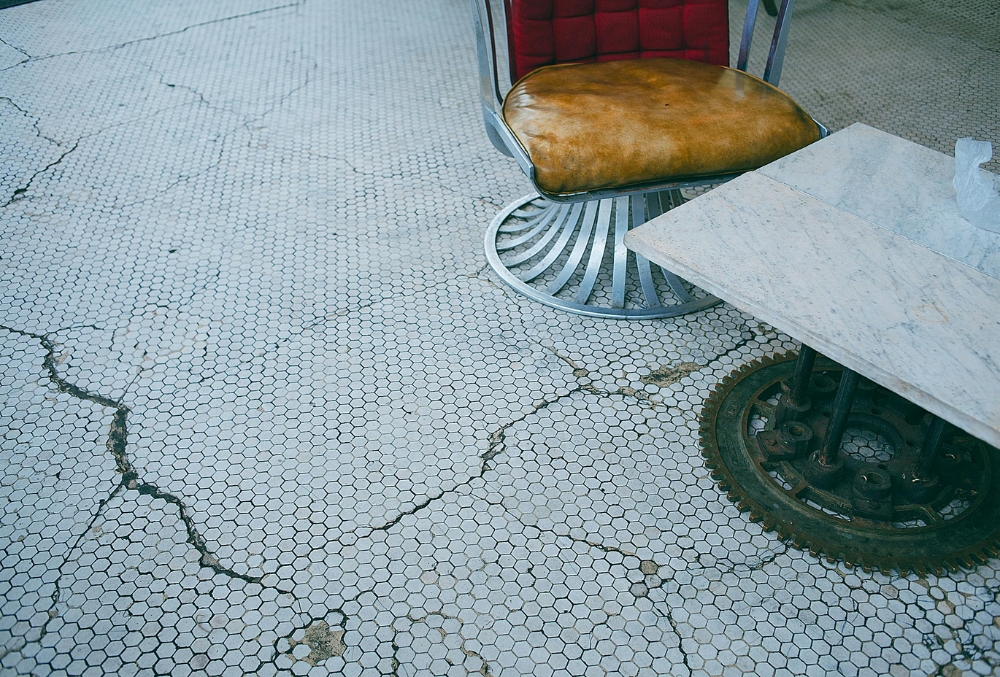
There’s a common financial instinct that leads Louisiana commercial property owners astray: patching damaged concrete seems cheaper than resurfacing it. And in the short term, patch by patch, it often is. But over a two, five, or ten-year horizon — particularly in the Gulf Coast climate — the math usually tells a different story. Understanding when repair has become more expensive than resurfacing isn’t just about the invoices you’ve already paid. It’s about recognizing the pattern before the next repair estimate lands on your desk. commercial floor coating Louisiana is designed to give property owners a durable, one-time solution that stops the repair cycle and protects commercial concrete for the long term.
The Repair Cycle and Why It Accelerates
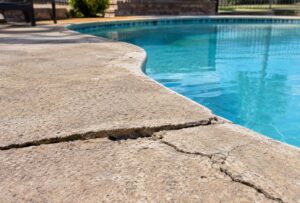
Concrete repair on a Gulf Coast commercial property follows a predictable pattern for owners who haven’t addressed the underlying causes of deterioration:
Year 1–2: A crack appears in the parking area or loading dock. A patch is applied. It holds. The cost is manageable.
Year 2–3: The original crack re-opens, or two more appear nearby. More patching. The patchwork is visible but functional.
Year 3–5: The surface condition has deteriorated broadly. Patching individual cracks no longer addresses the overall appearance. The entrance looks worn. Tenants or clients comment. A more significant repair is quoted — and it’s expensive.
Year 5+: The cost of addressing the accumulated damage exceeds what a full resurfacing would have cost at year one. And the surface still isn’t as clean or consistent as a professionally resurfaced finish would deliver.
This trajectory isn’t inevitable — but it’s the default for Gulf Coast commercial concrete that isn’t protected and maintained correctly from the outset.
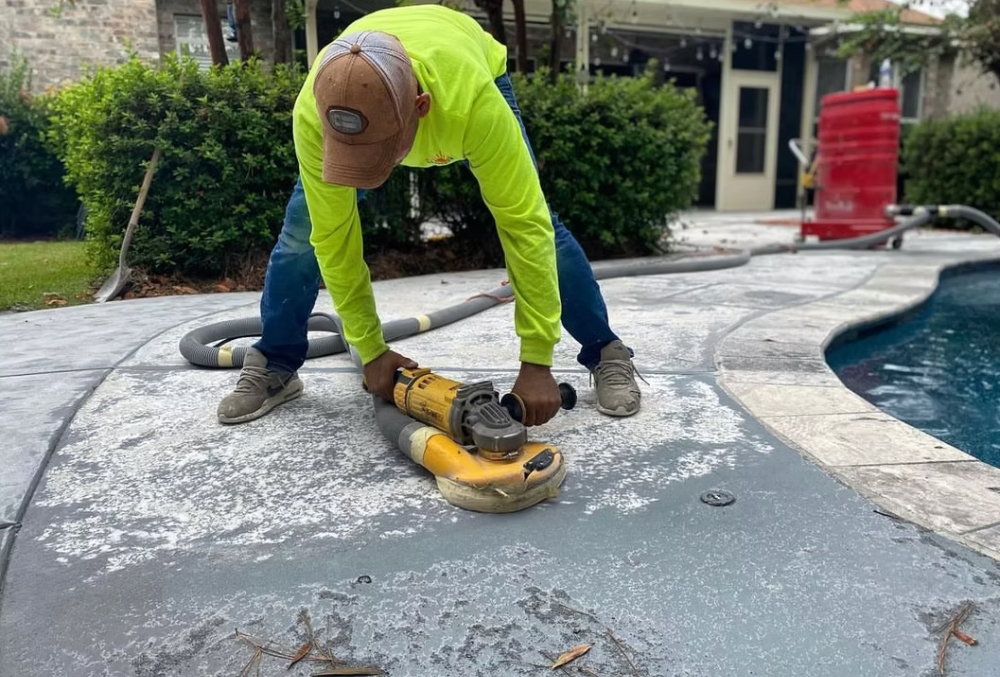
Why Patch Repairs Fail Faster in Louisiana
Concrete patch repairs are less durable in South Louisiana than in more temperate climates, for specific reasons:
Moisture differentials. Patch materials bond to existing concrete, but the bond interface is vulnerable to moisture infiltration. In Louisiana’s humid climate, moisture moves through concrete continuously. At the boundary between old and new material, differential movement causes patch edges to crack and lift faster than they would in a drier climate.
Thermal cycling. South Louisiana sees both intense heat and occasional hard freezes. Concrete and patch materials have different thermal expansion rates. Repeated cycling stresses the bond, loosening patches faster than in regions with milder temperature ranges.
Surface contamination. Commercial concrete in food service, industrial, or vehicle-traffic environments accumulates oil, grease, and chemical contamination that interferes with patch adhesion. Even professionally applied patches fail faster on contaminated surfaces than on clean concrete — and surface contamination in active commercial environments is nearly unavoidable.UV degradation. Patch materials and surface sealers applied in isolation degrade under Louisiana’s intense UV exposure. Without a full-surface coating system, individual repairs fade and gray at different rates, creating a patchy, inconsistent appearance even when the repairs are technically sound.
How to Calculate Whether You’ve Passed the Tipping Point
The tipping point — where resurfacing becomes the financially superior option — is different for every property, but there are clear indicators that you’ve reached it or are close:
You’ve had the same area repaired more than twice. Recurring repairs in the same location indicate an underlying structural or drainage issue that patching doesn’t address. Each repair buys less time than the last.
The repair cost for a single incident exceeds 15–20% of a resurfacing quote. At that ratio, two to three more repair events puts you past the cost of a full resurfacing — without the durability, consistency, or warranty that a professional coating system provides.
The surface appearance requires explanation or apology. When the condition of your commercial floors affects client or customer perception, the cost of the problem extends beyond the repair invoice to include business impact. That cost is real, even if it’s harder to quantify.You’re approaching storm season with existing damage. In Louisiana, a major weather event can turn manageable surface damage into structural damage that costs multiples of what timely resurfacing would have required.
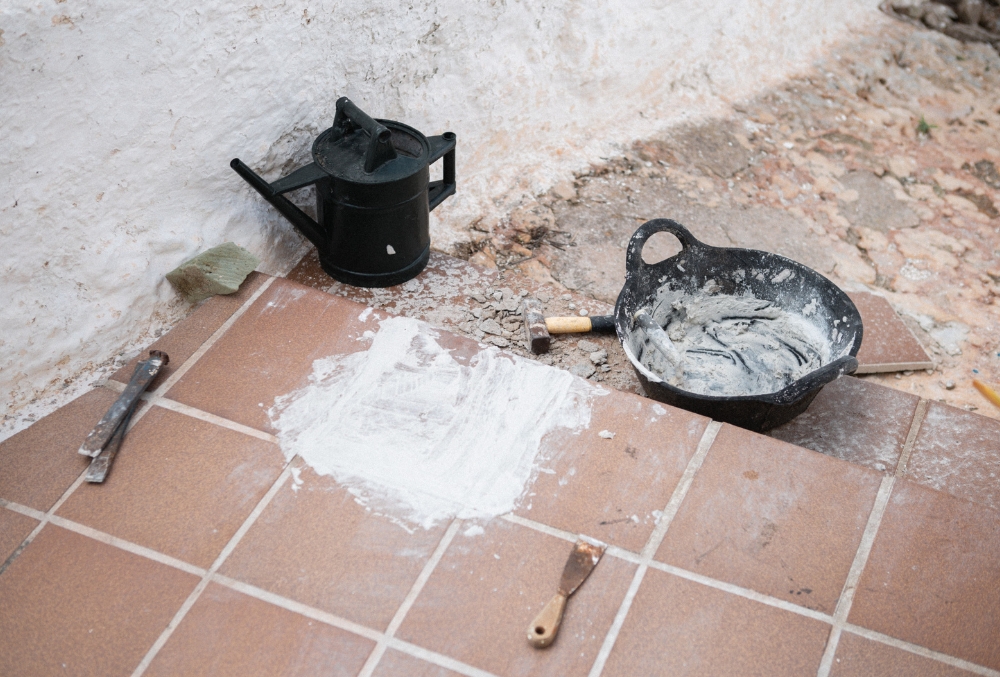
What Professional Resurfacing Delivers That Patching Cannot
A full commercial resurfacing project doesn’t just fix the visible damage — it addresses the conditions that caused the damage, applies a protective system that prevents recurrence, and delivers a consistent, professional finish across the entire surface.
The economics of this approach are straightforward: one properly executed resurfacing project, professionally specified and installed, outlasts years of repeated repairs. And because the coating system addresses moisture infiltration, UV exposure, and surface contamination simultaneously, the protection is comprehensive rather than incremental. If your commercial property has reached the point where the repair cycle is no longer working, the next step is a professional assessment. And if your business is still operating normally while the concrete continues to deteriorate, the scheduling flexibility of commercial resurfacing means you don’t have to choose between addressing the problem and keeping your doors open — as detailed in our guide to commercial floor upgrades.
Get an Honest Assessment of Your Property
CCI Gulf Coast provides free commercial surface assessments throughout South Louisiana, South Mississippi, and South Alabama. Call (985) 542-2757 or request a quote online to have your concrete evaluated and get an honest comparison of repair versus resurfacing for your specific situation.